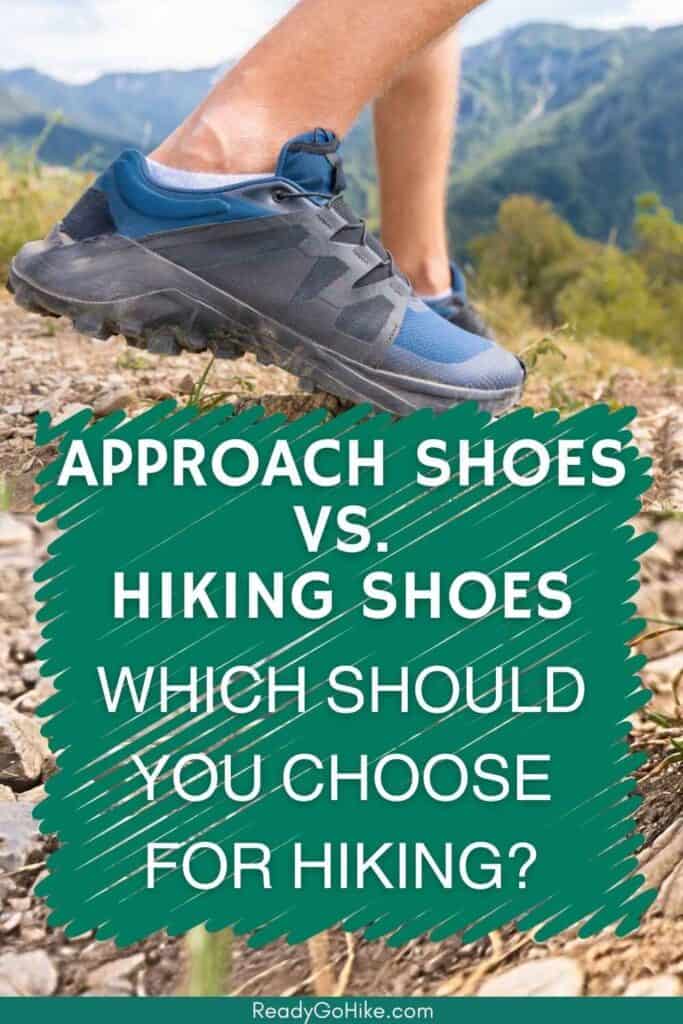
Approach Shoes vs Hiking Shoes: What’s Better for the Trail?
Everything You Need to Know About Approach Shoes vs Hiking Shoes
When you’re preparing for your next hiking adventure, you might have found yourself facing a dilemma: approach shoes vs hiking shoes? The footwear game can be as tricky as picking the right trail sometimes, but fear not — I’ve got your back!
This post may contain affiliate links for which I may be compensated. As an Amazon Associate I earn from qualifying purchases.
Today, we’re diving into the world of approach shoes and hiking shoes, comparing their pros and cons to help you make the best choice for your next outdoor escapade. So, find a comfy spot to kick back and relax as we talk about finding the perfect sole mate for your hiking journey!
What Are Approach Shoes?

Let’s talk about those nifty kicks known as approach shoes. Now, if you’ve ever found yourself eyeing those sleek, low-cut shoes worn by rock climbers and outdoor adventurers, chances are you’ve laid eyes on approach shoes.
So, what in the world are approach shoes, and why should they be on your radar? Well, think of them as a cross between a climbing shoe and hiking boots.
Related: The Best Hiking Boots for Men With Options for Every Type of Hiker
These bad boys are designed for those moments when your hike involves a bit of rock scrambling, technical terrain, or even a vertical ascent. They’re like the James Bond of hiking footwear — versatile, agile, and ready for any mission the trail throws at them.
One standout feature of approach shoes is their sticky rubber sole. Picture this: you’re navigating a rocky section, and instead of slipping and sliding like you’re on ice, your approach shoes grip onto the rocks like they’ve got a personal vendetta against gravity. It’s like having a secret weapon strapped to your feet.
These shoes also boast a snug fit, providing excellent precision for tricky maneuvers. The low-cut design ensures flexibility, making them ideal for those moments when you’re not just strolling through meadows but channeling your inner mountain goat on uneven terrain.
In a nutshell, approach shoes are the go-to when your hike requires a touch of finesse. They’re your trusty sidekick for the climbs and scrambles on rock surfaces, ready to tackle the vertical challenges with style. So, if your next adventure involves a bit of bouldering or some technical scrambling, approach shoes might just be your trail-blazing option.
What Are Hiking Shoes?

Let’s switch gears and step into the realm of hiking shoes. Now, if you’ve ever strolled down the outdoor gear aisle, you’ve seen those sturdy, mid-to-high-cut shoes beckoning you — those are your trusty hiking shoes.
Hiking shoes are like the Swiss Army knives of footwear. They’re the all-around champs, ready to tackle a variety of terrains and keep your feet happy along the way.
The magic of hiking shoes is that they typically combine the comfort and lighter weight of your favorite sneakers with the rugged durability of heavy-duty boots.
Related: 10 Outstanding Hiking Boots for Women With Features You’ll Love
One of the key perks is ankle support. Unlike the low-cut approach shoe, hiking shoes provide a bit more coverage around your ankles, giving them a snug embrace.
This feature becomes your best friend when you’re navigating uneven trails, rocky terrain, or even carrying heavy loads in your backpack. Your ankles will thank you for the extra love and stability.
Now, let’s talk about versatility. Hiking shoes are your go-to for everything from a day hike to long distances. They’re also perfect for those long hikes on meandering trails where the path is a mix of dirt, rocks, and maybe a stream or two.
They’re breathable, lightweight, and designed for the long haul. Plus, they often come equipped with rugged soles that grip the trail like a koala hugging a eucalyptus tree — solid and unyielding.
So, if your hiking checklist involves a bit of everything, from wooded trails and rugged terrain to open fields, and you want that extra ankle security, hiking shoes are the unsung heroes of the trail.
Approach Shoes vs Hiking Shoes: A Comparison of Features
Now that you have a better idea of the general differences between approach shoes and hiking shoes, let’s take a closer look at a comparison of their different features. Thanks to this breakdown, you should have a good idea of which shoe will be the better option for your next adventure.
Grip
Grip is the make-or-break feature when you’re dealing with rough terrain or rocky scrambles. Approach shoes take the lead here with their sticky rubber outsoles, designed to cling to rocks like a gecko on a glass wall.
These shoes are your trusty sidekicks when you’re tackling a steep incline or hopping from one boulder to another. The precision they offer on technical terrain is unmatched, making them the go-to choice for technical climbing and scramblers alike.
Related: Enjoy More Support With the Best Hiking Boot Insoles
Hiking shoes aren’t far behind. Their rugged soles have deep, aggressive lugs that provide excellent traction on a variety of surfaces, making them a reliable choice for diverse trails.
Whether you’re trekking through muddy trails, loose gravel, or damp forest floors, these shoes keep you upright and steady. It’s like having all-terrain tires for your feet.
In the showdown of grip, it really boils down to the type of hiking you often do. If you find yourself scaling more rocks, approach shoes might be a good choice. However, if your adventures include a mix of terrains and you want that reliable grip for all scenarios, hiking shoes are the all-around champs.
Weight
Approach shoes are the featherweights of the hiking world. They’re lightweight and nimble — perfect for agile moves on technical terrain.
Strapping them on doesn’t add bulky weight to your feet, which is especially handy when you’re tackling terrain that demands agility and quick footwork. If you’re the kind of hiker who enjoys a bit of rock scrambling, approach shoes are the better choice.
On the other side, we have the dependable heavyweights — hiking shoes. While not as light as their approach counterparts, they bring a balanced heft to the table.
Related: How to Quickly and Easily Break in Hiking Boots
Think of them as your reliable pack mule, providing stability and support for those longer hikes and when you’re toting around a heavy pack loaded with snacks, water, and maybe a spare pair of socks. They’re the workhorses of the trail, ensuring your feet stay planted and comfortable during extended journeys.
So, in the weight class, it’s a bit of a trade-off. If you crave speed, agility, and the feeling of floating on air, go for approach shoes. If you value a bit more substance, stability, and endurance for those epic treks, hiking shoes might be your go-to.
Water Resistance
Since approach shoes are typically made with rock climbing in mind, and climbers usually only go out when the weather is fair, they don’t often boast water-resistant superpowers. They’re also more focused on breathability to allow moisture to escape and keep your feet cool, so they’re not as resistant to water ingress.
Hiking shoes often come equipped with water-resistant linings or finishes, acting as a shield against unexpected rain showers or dewy grass. If you want to stride confidently through shallow streams or navigate muddy trail sections without worrying about the inside of your boots turning into miniature swimming pools, hiking shoes are your best bet.
In the showdown of water resistance, it depends on the level of protection you need. If you anticipate encountering wet conditions or want better protection, hiking shoes with water-resistant features are your knights in shining armor. On the flip side, if your adventures involve more dry trails and you prefer the airy feel, approach shoes might be the cool and breezy choice.
Durability
While approach shoes are no strangers to durability, their focus tends to lean more toward agility and precision on technical terrain. If you tend to go for rocky trails that involve a lot of scrambling, approach shoes will hold their ground admirably. However, you might notice signs of wear sooner compared to their heavyweight counterparts.
Hiking shoes are built for longer hikes and are designed to withstand the rugged challenges of rocky ground. They have a thicker sole and harder rubber compounds when compared to approach shoes.
Their sturdy construction and robust materials make them your go-to companions for miles upon miles of trail conquests. Whether you’re going on short hikes or long treks, hiking shoes stand tall against the elements, emerging with battle scars that tell tales of epic adventures.
In the grand saga of approach shoes vs hiking shoes in durability, it’s a bit of a trade-off. If you need something that can take a beating and come back for more, hiking shoes are a good option. However, if you’re seeking agility on rocky paths and don’t mind a few scuffs along the way, approach shoes will dance through the challenges with finesse.
Stiffness
Approach shoes tend to provide you with the freedom to bend and twist your feet with precision. If your hiking ventures involve a fair share of technical maneuvers, approach shoes shine in offering the flexibility needed for those agile moves.
Hiking shoes typically have stiff soles and act as a sturdy foundation for your feet. If you’re planning on being on your feet for a long time, the added stiffness of hiking shoes provides stability and support. It’s like having a solid platform underfoot, especially beneficial when the trail gets a bit rugged.
In the stiffness showdown, it’s all about your personal preference. If you crave flexibility, approach shoes are your nimble partners. But if your hikes include longer distances and you want that extra support, hiking shoes with a bit more stiffness might be your best option.
The Best Approach Shoes for Hikers
If you decide a pair of approach shoes will suit your needs, consider these La Sportiva TX 4 shoes (also available in women’s sizes). These shoes are an outstanding choice for a variety of outdoor activities.
The comfortable shoes have leather uppers to provide durability, increase abrasion resistance, help protect your feet, and offer more stability. They also have ultra-sticky outsoles that provide good traction over a variety of rock and trail surfaces.
Other convenient features you’ll appreciate include the to-the-toe lacing for a snug and precise fit and a rear cord loop that lets you attach the shoes to your pack.
The Best Hiking Shoes for All Types of Hikers
On the other hand, if you feel like hiking shoes will be better for your needs, you can go with these Salomon X Ultra 4 GTX (also available in men’s sizes). These waterproof hiking shoes will help you take on all types of terrain with the agility of trail runners and the stability and grip of traditional hiking boots.
The shoes feature a Contagrip MA outsole that grabs onto the ground, even when it’s wet, muddy, or slippery. You’ll also appreciate how the shoes hug your feet securely while still providing the movement you need to feel comfortable on the trail.
Because of their versatility, these shoes are ideal for everything from short day hikes to multi-day backpacking trips.
Approach Shoes vs Hiking Shoes: Which One Should You Choose?
In the end, whether you lean toward the nimble agility of approach shoes or the sturdy reliability of hiking shoes, you simply need to decide which one is the perfect match for your unique trail style. It’s like picking the right adventure buddy, understanding that each has its strengths and shines in different situations.
Approach shoes, with their sticky soles and feather-light feel, are ready to scale rocks and conquer technical terrain with finesse. On the flip side, hiking shoes are the all-terrain workhorses prepared to provide stability, support, and a solid foundation for those extended journeys into the great outdoors.
As you lace up your chosen pair and hit the trail, remember it’s not about finding the “best” shoe; it’s about finding the best shoe for you and your hiking escapades.
Explore More Helpful Hiking Tips
Did you enjoy this complete look at approach shoes vs hiking shoes? Are you interested in discovering additional tips that can help you get outside and enjoy those hiking trails even more? Then please be sure to take a look at some of our other popular posts:
- How to Prevent Getting Lost When You’re Hiking
- The Complete Guide on the Best Darn Tough Hiking Socks
- Important Safety Tips You Should Know About Hiking Alone
- The Ultimate Guide on How to Treat Blisters When You’re Hiking