How Much Water Should You Bring on a Hike?
A Complete Guide on How Much Water to Bring on a Hike
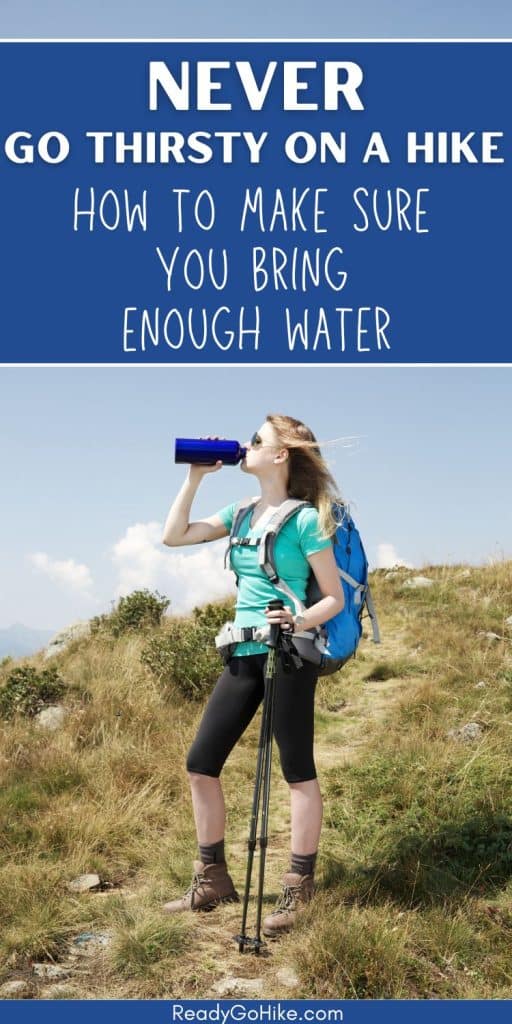
Water is a crucial topic that’s often overlooked when hiking, but it can make or break your experience. So how much water should you bring on a hike?
This post may contain affiliate links for which I may be compensated. As an Amazon Associate I earn from qualifying purchases.
You don’t want to burden yourself with the excess weight of too much extra water, but you certainly don’t want to run out either. After all, staying hydrated on your hiking trip is absolutely essential to not only your enjoyment of the hike but also your health.
However, how much water you need for a hike depends on several factors. So, grab your water bottles, lace up your favorite hiking boots, and let’s quench our thirst for knowledge!
Why It’s Important to Drink Enough Water While Hiking

Picture this: you’re midway through an exhilarating hike, surrounded by breathtaking scenery and the crisp smell of nature. Your legs are pumping, your heart is racing, and you’re feeling like a true adventurer.
But wait, something’s not right.
Your mouth feels dry, and a headache starts creeping in. Suddenly, that once invigorating hike turns into a struggle. It’s a scenario we’ve all experienced at some point, and it all boils down to one thing: dehydration.
When you’re out on the trails, your body works hard. Every step, every bit of elevation gain, and every obstacle demands energy and perspiration. With each drop of sweat, you’re losing precious water.
That’s why it’s crucial to keep replenishing your fluid levels while hiking. Water is not just a thirst-quencher; it’s the life force that keeps your body functioning.
Signs of Dehydration
Every time you’re on a hike, it’s important to keep an eye out for these signs of dehydration:
- Feeling thirsty
- A dry mouth
- Lightheadedness
- Headache
- Fatigue
- Dark-colored, strong-smelling urine
- Confusion
- Irritability
- Poor coordination
- Disorientation
While these symptoms would be mildly inconvenient at home, they can easily land you in serious danger on a hiking trail. One potential risk of dehydration is heat stroke, which can be fatal.
What to Do if You’re Showing Symptoms of Dehydration
If you’re showing any of the above symptoms, you might think you should immediately head to your nearest water source and start chugging. However, this could actually make things worse. Instead, here’s what you should do:
- Immediately stop hiking.
- Find a shady spot, sit down, and take a rest.
- Rehydrate with water and electrolytes.
- Soak a hat or shirt in cool water to help bring down your body’s temperature.
- Only start hiking again when the symptoms of dehydration have eased.
How Much Water You Should Bring for a Hike

Now that you understand why it’s so important to keep up with your water consumption needs, let’s answer the question of how much water you should bring on a hike.
A good rule of thumb is that you should carry one liter of water for every 2 hours of hiking. However, this is most definitely a guideline because several factors can influence how much water you’ll need on a hike.
Factors That Impact How Much Water You Need for a Hike
The variables that can impact how much water you’ll need for a hike include:
- Weather
- Body weight
- Intensity of the hike
- Duration of the hike
- Water sources on the trail
Each time you’re planning a hike, you should consider these factors when deciding how much water you need to bring.
Weather
It should come as no surprise that the warmer the weather, the more water you’ll need to drink to stay hydrated. Our bodies tend to sweat more when hiking in warm weather than in cold weather.
When you’re hiking in high temperatures, the best idea is to carry the previously mentioned general rule of thumb amount of water plus another 150-200 ml of water for every hour it’s 10°F above what you personally consider a comfortable hiking temperature.
Body Weight
The more you weigh, the more water you need to drink for proper hydration. However, it’s not just your weight you have to consider.
Muscle holds more water than fat. Therefore, if you’re more muscular, you won’t need to drink as much to stay hydrated.
Intensity of the Hike
The type of trail you plan on hiking will impact how much water you need to carry. The steeper and more challenging the hike, the more you’ll be sweating. This obviously means you’ll need to drink more water.
This is why it’s always a good idea to research the type of trail you’ll be hiking before setting off and adjust the amount of water you carry accordingly.
Duration of the Hike
Along with the intensity of the hike, the duration of the hike is another factor you need to keep in mind. The longer the hike, the more water you need to bring.
Many hiking guides will provide an estimation of how long it takes hikers to finish the trail. You can use this information to calculate how much water you should pack.
Water Sources on the Trail
A final factor you should consider is whether or not your trail will have reliable water sources. If you know your trail will have water sources, you can always top off your water bottle when you’re out.
However, it’s important to remember that natural water sources aren’t always reliable and can dry up during hot weather. You should never rely on them for all of your water.
Also, keep in mind that you should purify or filter your water before drinking it if you’re getting it from a stream or river.
One great option to consider for this task is the Sawyer Squeeze, which is small, lightweight, and easy to use.
How Much Water Can a Hiker Carry?
So now you’ve done your research. You’ll be tackling a long, strenuous hike on a hot day and will require gallons and gallons of water to meet your hydration needs.
However, that’s a lot of water, and water is heavy! How in the world do you carry all of that? The short answer is: you don’t.
The average person can comfortably carry about 3-4 liters of water at a time. That isn’t nearly enough for some hikes. So what can you do?
This is why it’s essential to do your research ahead of time and know about reliable water sources on the trail. As long as there are water sources, you can carry less water and refill as needed.
Can You Drink Too Much Water on a Hike?
You clearly need the right amount of water to function, so should you just chug a ton of water throughout your entire hike? Actually, no. Although it seems counterintuitive, it’s possible to drink an excessive amount of water.
When you drink too much water, it dramatically lowers your body’s sodium levels and causes an imbalance of electrolytes. This condition is called hyponatremia, and it can be just as dangerous as dehydration.
Hyponatremia can cause headaches, fatigue, nausea, vomiting, and confusion. In severe cases, it can lead to seizures, coma, and death.
Although hyponatremia is rare, it’s still something you should take seriously. To prevent it, monitor how much water you’re drinking and add electrolytes if needed to bring up your sodium levels.
Can You Drink Gatorade Instead of Water?
Sports drinks like Gatorade contain electrolytes. If electrolytes are so important, should you drink this type of sports drink instead of water?
No. While sports drinks contain electrolytes, they also have a lot of sugar. In fact, just one 20-ounce bottle of Gatorade has 34 grams of sugar. That’s more than what most adults should consume in a single day!
Therefore, while sports drinks might be helpful in moderation, water is still the better choice for hydration while hiking.
Tips for Staying Hydrated on a Hike

Now that you know how much water you need for a hike, here are some other tips that will help you stay hydrated when you’re hiking.
1. Hydrate Before Your Hike
You’ve heard the saying, “An ounce of prevention is worth a pound of cure.” The same is true when it comes to preventing dehydration.
Before you head out on your hike, try to drink around 12 to 16 ounces of water. This will ensure your body has some water to use before the hiking really starts to get strenuous.
2. Know Where Natural Water Sources Are Located
Another excellent way to prevent dehydration when you’re hiking is to take some time before your trip to locate natural water sources near your trail. When you know where water sources are located and approximately how much time it will take you to travel between each source, you’ll have a better idea of how much water you need to bring.
This information can also give you a good idea of how much water you need to drink or stock up on at each source, which ensures you’re not burning precious energy by carrying more water than you need on your hike.
3. Bring Along Electrolytes

Electrolytes are minerals that are responsible for getting water to the parts of our bodies that need it. Just like water, we lose electrolytes when we sweat.
While we’ve already mentioned using sports drinks to regain electrolytes, another excellent option to consider is these electrolyte tablets. You can easily drop a tablet into your water bottle to give your body a boost of electrolytes without a ton of excess sugar.
They also come in a conveniently sized tube. I keep one stashed in my first aid kit so I always have some tablets available if I need one.
4. Sip Your Water
To ensure you have enough water to last your entire hike (and to prevent having to take a pee break every few minutes!), take smaller but more frequent sips of your water instead of chugging a whole bunch at once.
5. Make Sure Your Water is Easy to Access
The best way to make sure you’re getting enough water on your hike is to ensure it’s always easy to access. Plastic water bottles are convenient, but if you constantly have to take off your backpack to get to your water bottle, you’ll eventually find yourself reaching for it less and less to prevent the hassle.
That’s why I love using a water bladder when hiking. It easily hangs inside my backpack and the mouthpiece clips on my backpack’s strap so it’s convenient to access when I need a drink of water.
Related: The Most Durable Water Bladder for Every Type of Hiker
Since you can get a hydration bladder that holds 2-3 liters of water, you can easily keep track of how much you’re drinking so you know you’re staying hydrated.
If you’re planning a shorter day hike, you can use the best hydration pack for hikers. These small and lightweight packs come with their own water bladders and include just enough room for a few other essential items.
6. Always Drink No Matter the Weather Conditions
Dehydration can hit no matter what the weather is like outside. That’s why it’s always important to drink plenty of water whether you’re on a summer hike or a winter hike.
Related: How to Stay Dry When You’re Hiking in the Rain
If you’re worried drinking water will cool you down too much when hiking in cold weather, consider bringing along a thermos filled with warm liquid, such as coffee, tea, hot cocoa, cider, or soup broth. Don’t forget to take a look at these winter hiking tips to discover even more helpful information that will keep you safe, warm, and comfortable!
7. Wear the Right Clothing
Your body loses a lot of water when sweating. Wearing breathable, moisture-wicking clothing can help reduce how much you sweat and therefore cut down on how much water you lose.
Here are some excellent guides to help you pick out the right clothing from head to toe:
- The Most Comfortable Hiking Pants for Women
- 10 Outstanding Hiking Pants for Men
- Keep Your Feet Cool With the Best Socks for Summer Hiking
Stay Safe by Knowing How Much Water You Need for a Hike
Whether you’re heading out on a quick day hike or a long backpacking trip, hydration is key to keeping you energized, focused, and ready to conquer the trail. Always keep in mind that you need at least 1 liter of water for every two hours of hiking.
Then take the time to plan and pack accordingly, considering factors like trail difficulty, weather conditions, and your personal preference on water requirements. With this information, you can confidently hit the trail knowing you’ll have the right amount of water!
More Helpful Hiking Tips
Did you enjoy learning how much water you need for a hike? Are you looking for even more tips that can help you get the most out of your hiking adventures? Then please be sure to take a look at some of our other popular posts:
- How to Prevent Blisters When You’re Hiking
- The Best Hikes in Rocky Mountain National Park
- Wildlife Safety Tips Every Hiker Needs to Know
- Trail Etiquette: The Basic Rules of Hiking